


What Kind of Platform Is Camsurf, Exactly?
Before you can judge how safe something is, it helps to understand what it actually does. Camsurf is a free random video chat service that pairs you one-on-one with strangers from around the world. You open the site or app, click a button, and within seconds you are face-to-face with someone new. No long profile-building process, no elaborate questionnaire. Just a live video window and another person on the other side of it.

The platform is available via web browser and as a mobile app on both iOS and Android. You do not need to create an account to start chatting, though registering may unlock additional features. This low-friction entry point is part of its appeal, but it also means the platform attracts a wide and varied crowd. That mix of people is worth keeping in mind as you think about safety.
For UK users specifically, Camsurf is fully accessible and legal. According to the platform's own terms, users must be at least 18 years old to participate. That age gate is a basic but important protection, and it brings the service in line with UK expectations around adult-facing platforms.
The Safety Features Camsurf Actually Offers
Take a step back and look at what Camsurf puts in place before you dismiss or over-praise it. The platform includes a report button built directly into the chat interface. If someone behaves inappropriately, you can flag them without having to leave the conversation first. That immediacy matters. The less friction between witnessing bad behaviour and reporting it, the more likely people are to actually do it.
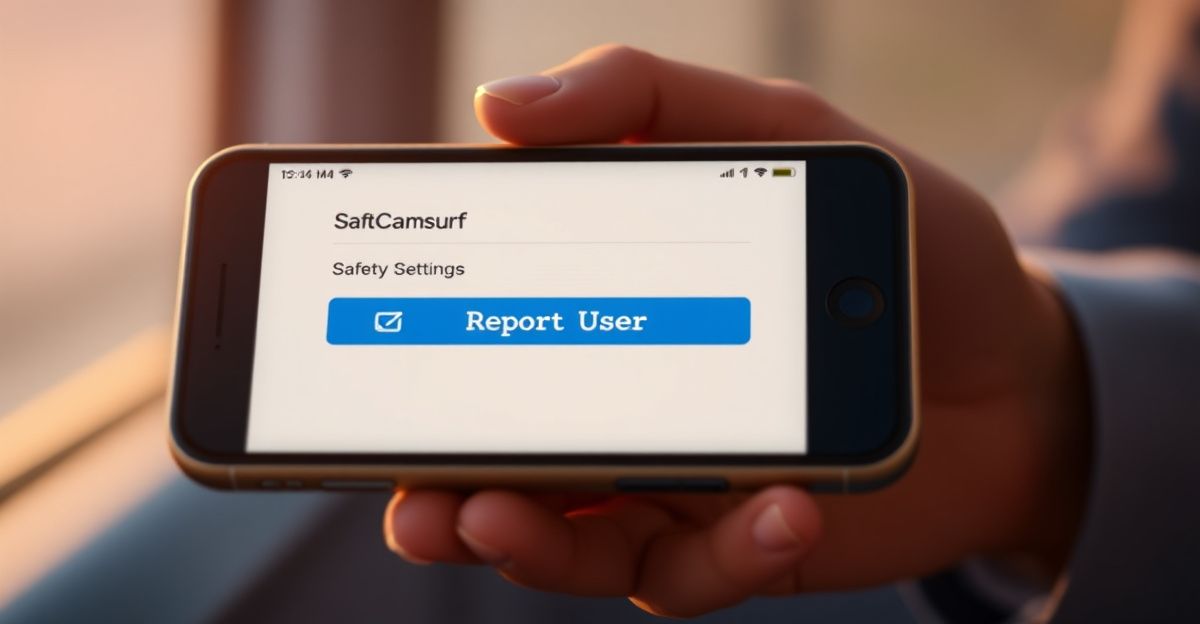
There is also a skip feature, which lets you move on from any conversation instantly. You are never forced to stay in a chat. This is one of the most practical safety tools available on any random chat platform, because the fastest way to protect yourself is simply to leave a situation that feels wrong.
Moderation is in place too, though the exact scale of the team is not publicly detailed. AI-based detection of suspicious behaviour is increasingly common across dating and social platforms, and Camsurf uses automated tools alongside its reporting infrastructure. That said, no moderation system is perfect. Some inappropriate content or behaviour will slip through, and that is true of every platform in this category, including competitors like Omegle, Chatroulette, and Shagle.
If you want to go deeper on how the reporting process works step by step, the guide on reporting users on Camsurf walks you through it clearly. Knowing that process before you need it is genuinely useful.
Real Risks to Be Aware Of Before You Start
Being honest about risks is part of giving you a full picture. The most common complaint from users - across Camsurf and platforms like it - is inappropriate behaviour from strangers. This can range from unwanted explicit content to attempts to move the conversation off-platform toward WhatsApp or Telegram. That push to leave a moderated environment is a classic warning sign, and you should treat it as one.
Fake profiles and bots are another concern across random chat services. On Camsurf, because it is a live video platform, the risk of a completely fabricated identity is lower than on photo-based dating apps. You are watching a real person in real time. That does not make everyone trustworthy, but it does make catfishing considerably harder. A common indicator of a scam attempt is rapid escalation - someone who wants to exchange personal details, asks for financial help, or seems suspiciously eager to cement a connection in the first few minutes.
Privacy is worth thinking about too. You are broadcasting live video, which means your face, your background, and any identifying details visible on screen are shared with whoever you are matched with. Being aware of what is in your camera frame before you start is a small but sensible step. Keep personal documents, location clues, and other sensitive material out of shot.
For a fuller breakdown of what users have flagged over time, the Camsurf complaints page is a useful reference point.
Why Video Chat Can Actually Build More Honest Connections
After relying on text-based apps for about six months, a friend suggested trying a video chat platform. One Sunday afternoon, within the first few conversations on Camsurf, something became clear that had been missing from the usual swipe-and-text routine: you can read body language and energy in real time. That instant feedback loop felt far more honest than curated profile photos ever could. If you are serious about finding genuine chemistry before committing to an in-person date in a city like London, adding a video element to your process is a smart move worth considering. The live format removes a layer of performance that static profiles tend to encourage.
This is not just a personal observation. The fact that you are seeing someone live means the social cues are real. You notice hesitation, warmth, humour, or discomfort in a way that text simply cannot convey. That transparency cuts both ways - it helps you spot someone who seems off just as clearly as it helps you recognise someone you genuinely connect with. For safety purposes, that real-time transparency is a feature, not just a nice-to-have.
How Camsurf Compares to Alternatives
Context matters when you assess safety. Camsurf sits in a crowded space alongside Omegle, Chatroulette, Bazoocam, and Coomeet. Omegle, which was one of the oldest names in random video chat, shut down in late 2023 following legal pressure related to child safety failures. That closure happened after years of documented misuse, and it raised the bar for what users should expect from any surviving platform in terms of moderation and accountability.
Camsurf positions itself as a moderated alternative. Its reporting tools and age requirements are genuine differentiators compared to platforms with no meaningful oversight. Whether that moderation is robust enough is a fair question, but the infrastructure is there in a way that was not always present on older competitors.
If you want a platform comparison or are weighing up your options, the is Camsurf legit page covers that ground in more detail. And if you are already leaning toward signing up and want a full feature breakdown, the Camsurf review is worth reading alongside this piece.
Practical Steps to Use Camsurf More Safely
Knowing that a platform has safety features is one thing. Actually using them is another. Here is what a proactive approach looks like in practice.
First, keep personal information off the table early. Your full name, address, workplace, or phone number should not come up in a first conversation with a stranger. This is true on any platform, but the spontaneous format of random video chat makes it easier to drop your guard quickly. Be proactive about your own privacy from the start.
Second, trust your instincts. If a conversation shifts toward pressure, urgency, or requests that feel uncomfortable, skip and report. You do not owe anyone an explanation. The skip button exists for exactly this reason, and using it freely is a sign of confidence, not rudeness.
Third, remember that the report button is a community tool as much as a personal one. When you flag someone who is behaving badly, you are helping protect the next person they would have been matched with. That small action has a wider effect than it might seem in the moment.
Finally, if you are looking for more structured connection-building with features like profile verification and identity checks, it is worth exploring platforms that offer those layers. Some alternatives in this space, like OmeTV, include their own moderation and community standards that may suit different preferences. The right platform depends on what kind of authentic connection you are looking for.
The Honest Verdict on Safety
Camsurf is not a risk-free environment, and no honest review would claim otherwise. Random video chat with strangers carries inherent unpredictability. What Camsurf does is provide a moderated framework - an age restriction, reporting tools, a skip feature, and optional account creation - that gives users meaningful control over their experience. For UK users, the platform is legal and accessible, with no regulatory blocks in place.
The platform's free-to-use model, available since its launch, means the barrier to entry is low. That openness is part of what makes it useful and part of what makes some caution necessary. Small changes to how you approach each session - staying alert to pressure tactics, keeping your camera frame clear of personal details, and using the report function when something feels wrong - make a real difference to how safe your experience actually is.
Focus on yourself and the quality of the conversations you want to have. Confidence in how you engage, combined with awareness of how to protect yourself, is the combination that makes any platform work in your favour.
Comments
No comments yet.
Leave a comment
Your email will not be shown. Comments are reviewed before they appear.